A Casa do Porco: a destination for pork lovers in downtown São Paulo
By Thiago Freitas · The Prime Traveler
Estrela Verde recognizes the commitment to sustainability. It's a different distinction from gastronomic stars.
From raising pigs in the São Paulo countryside to the playful spirit of Porco D.O.C., this is a table that turns rural Brazilian cooking into a reason to travel.
I arrived at Casa do Porco without a reservation. There was a small queue and in less than ten minutes I managed to get in. It was rare luck: it's the kind of ease that is celebrated immediately, but that I wouldn't use as a strategy for a next visit. Such a hotly contested table deserves planning.
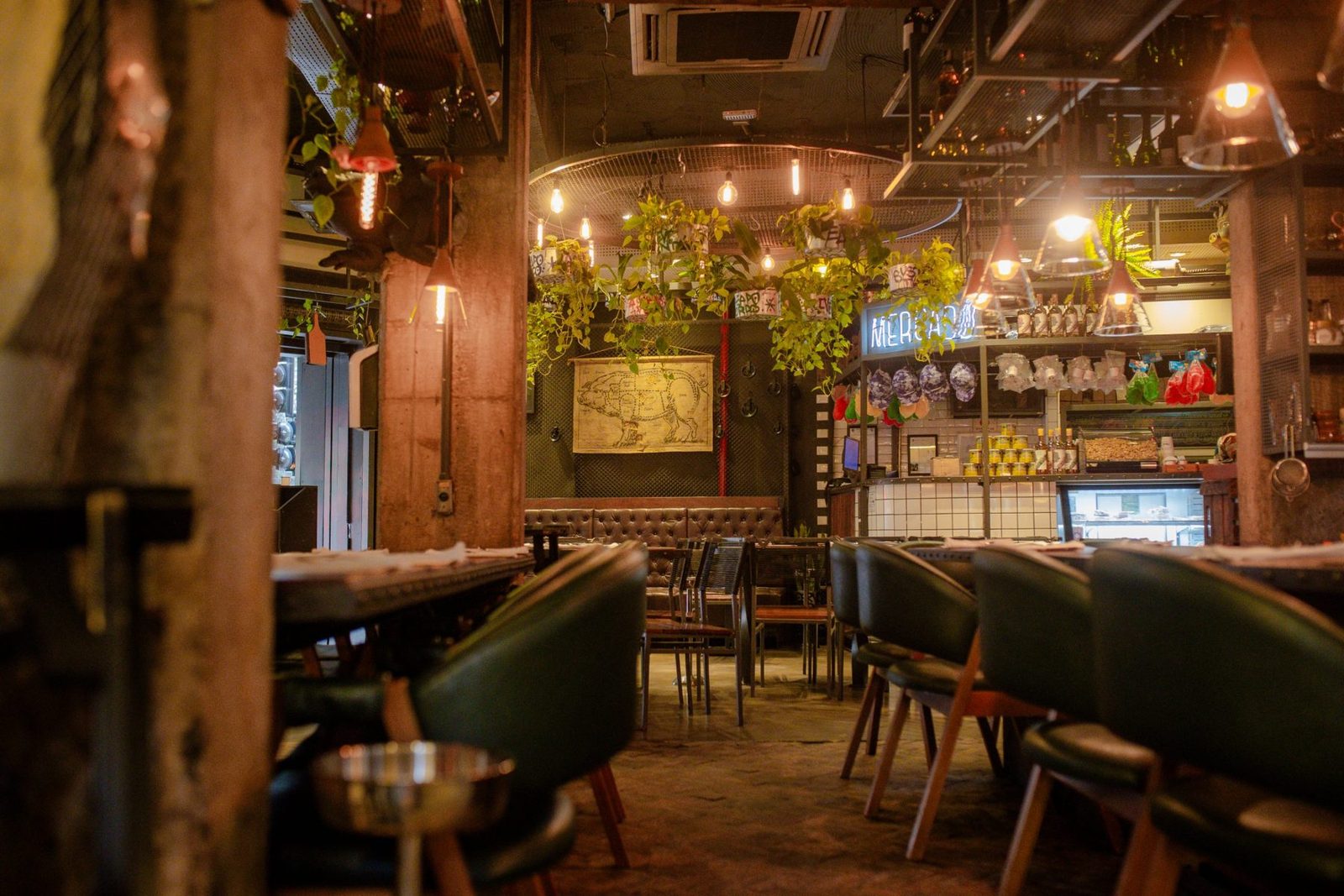
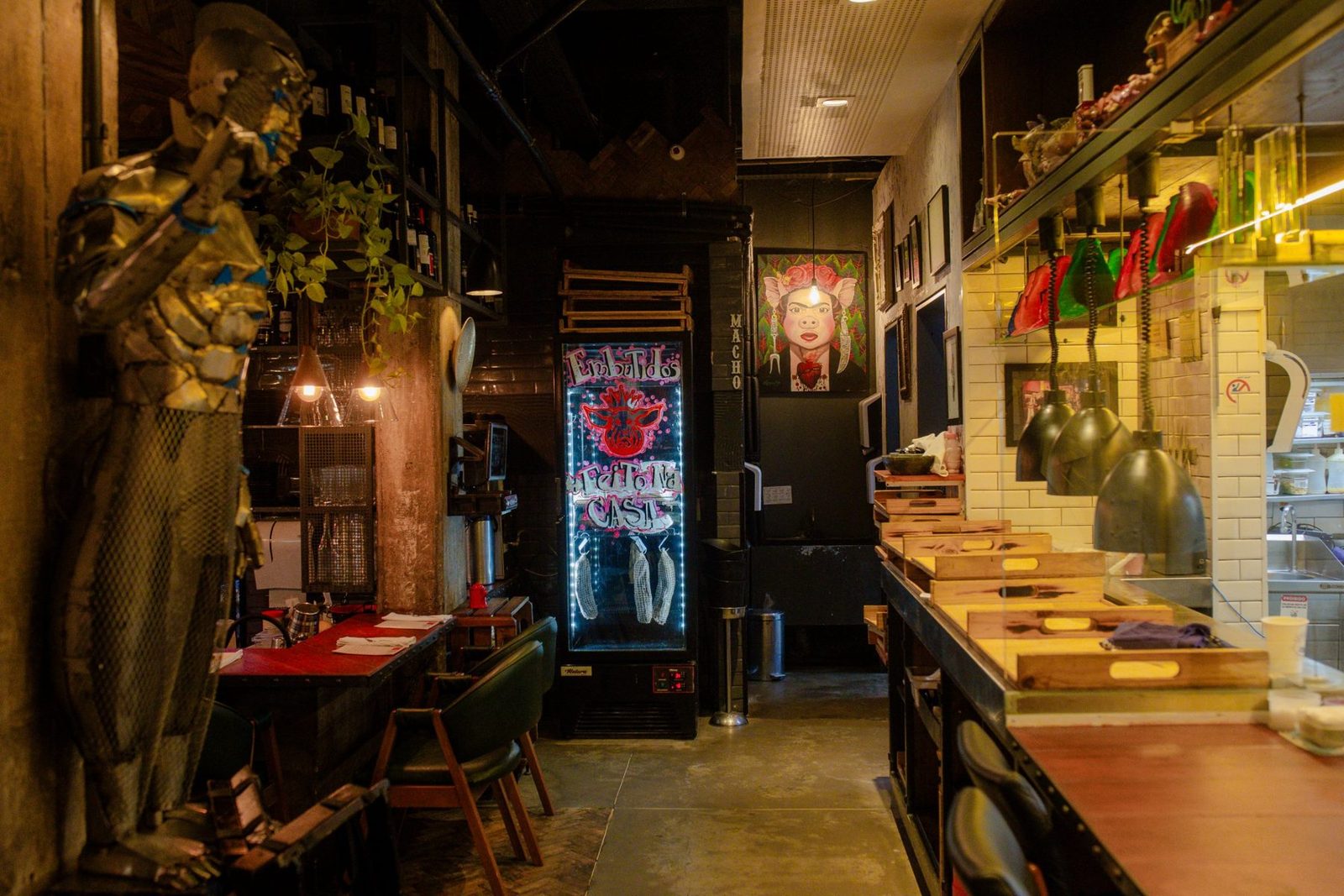
In the center of São Paulo, I found a pleasant, relaxed and unpretentious atmosphere. International fame coexists with the willingness to welcome those who want to eat well and enjoy the meal. For me, it is one of the best restaurants — perhaps the best — for those who enjoy pork.
A table with address and personality
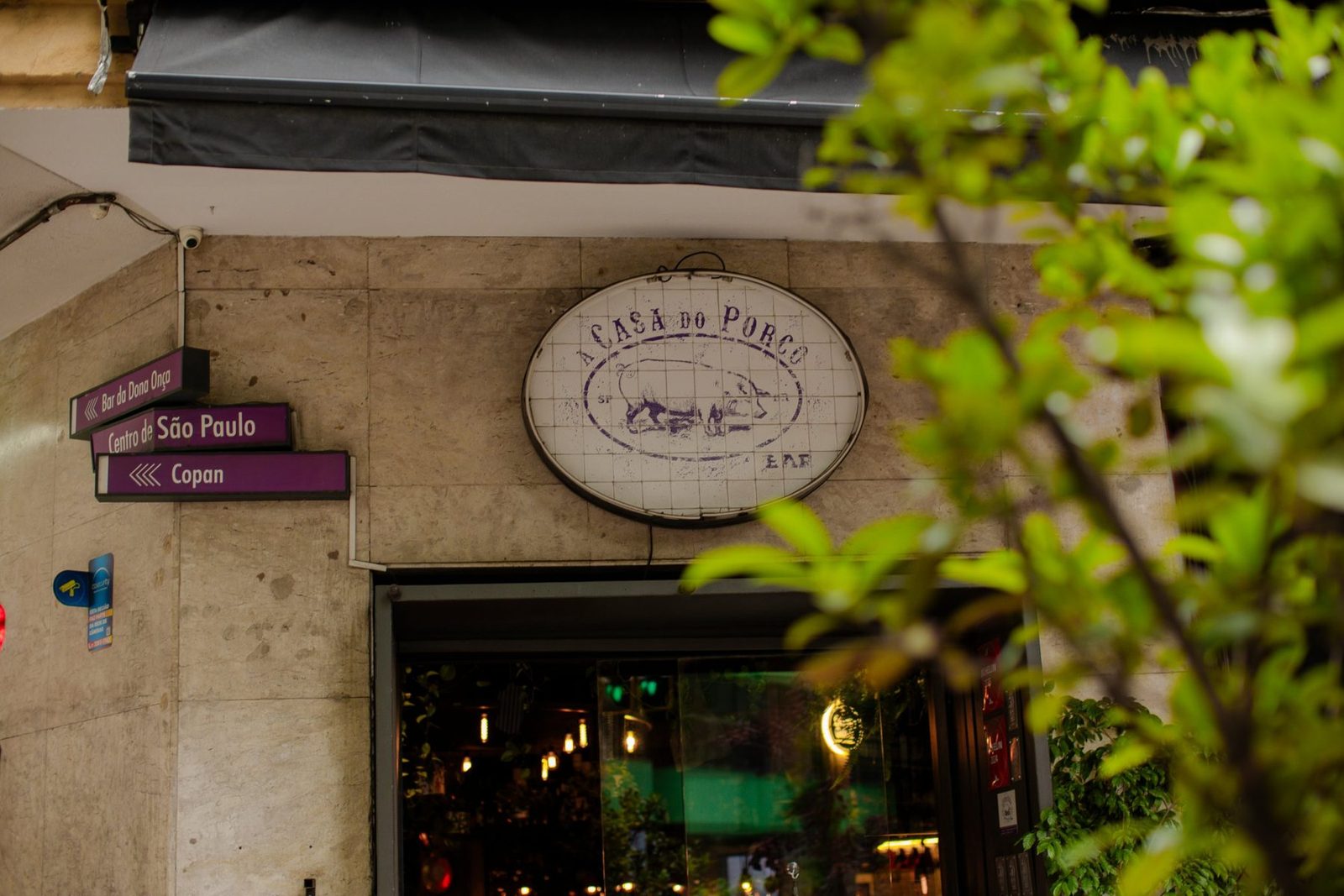
A Casa do Porco is located at Rua Araújo, 124, in República, central region of São Paulo. The address matches the personality of the restaurant: urban, lively and connected to the city. The meal is part of this center and its gastronomic possibilities. [1]
There is humor in the presentation, different dishes and little surprises throughout the sequence. It's a restaurant where I felt at ease. For those who travel looking for good tables, this meeting between original cuisine and informality has a special value: it makes you want to stay, talk and follow what comes next.
From farm to table by Jefferson Rueda
Chef Jefferson Rueda’s work begins long before the kitchen. At Sítio Rueda in São José do Rio Pardo, in the São Paulo countryside, organic ingredients are grown for his restaurants. Pig farming is associated with Sítio São Francisco in the same region. These are complementary parts of a project that brings the restaurant closer to the source of its ingredients. [2]
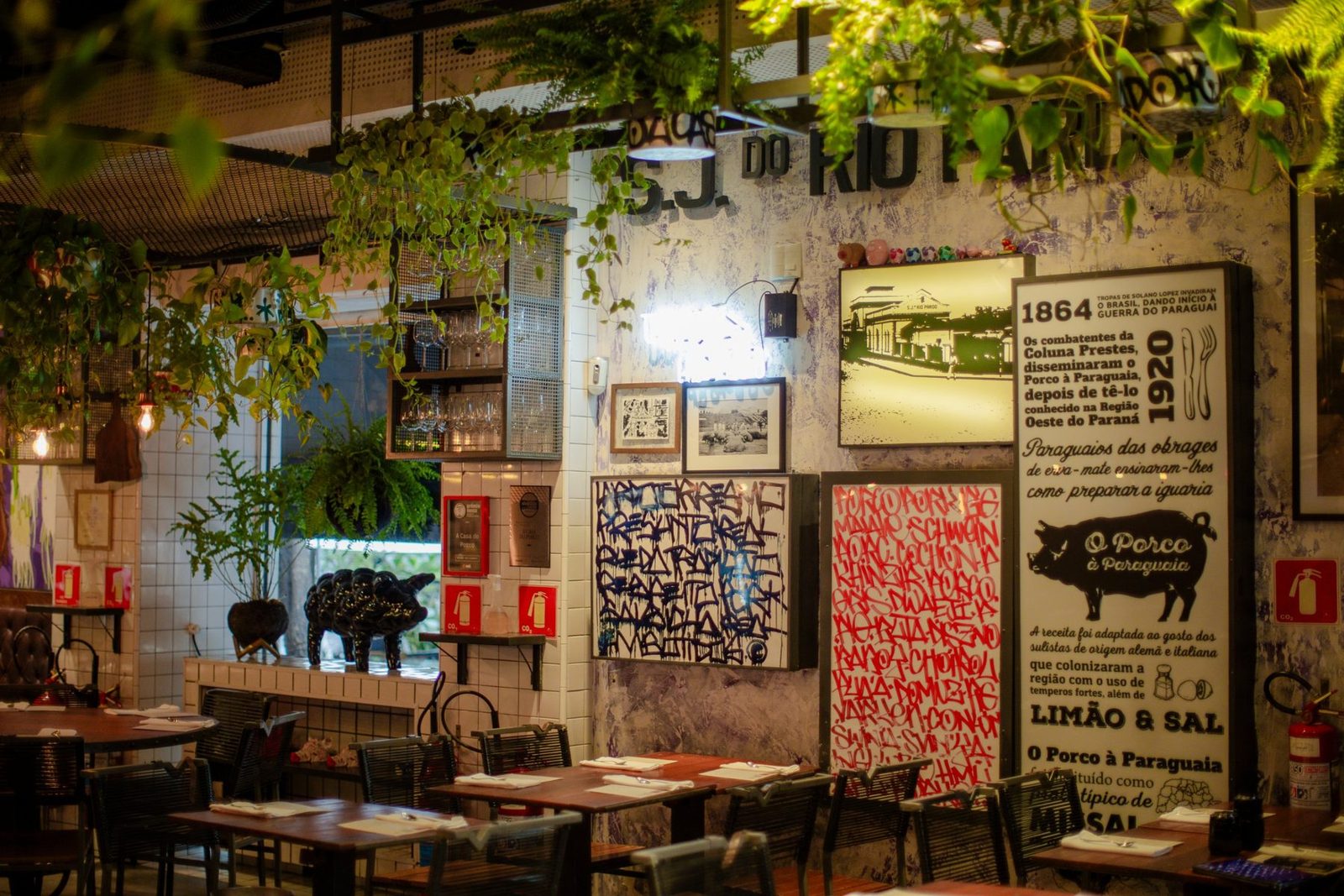
In the Michelin Guide, the chef himself highlights the monitoring of the production chain, the creation of Brazilian breeds of pigs with access to the open air, the support for small producers and the use of the animal. This attention to origin helps to understand why such a familiar ingredient can support so many ideas at the table. [1]
The restaurant's vocation is to explore pork in many forms, from the most well-known cuts to charcuterie, fat and offal. He is the axis of the experience we did. Vegetables and other ingredients expand the possibilities of the sequence, and there is also a vegetarian alternative for those who prefer another path. [3]
Porco D.O.C.: curiosity served in eight steps
The menu that we keep in the photographs has a name and intention: Porco D.O.C., Caipira Denomination of Origin. The illustrations of the pig, the countryside and the culinary creations already announce a meal with a sense of humor. The sequence goes through small bites, unexpected formats and the roast that is one of the restaurant's symbols.
The pleasure is in realizing how many languages fit into this proposal. An ingredient that we recognize from family lunch appears in culinary creations that resemble a taco, sushi, pizza and even a combination of hamburger, fries and milkshake. The origin remains present, while the presentation changes at each stage.
The entrances and the Rueda Site
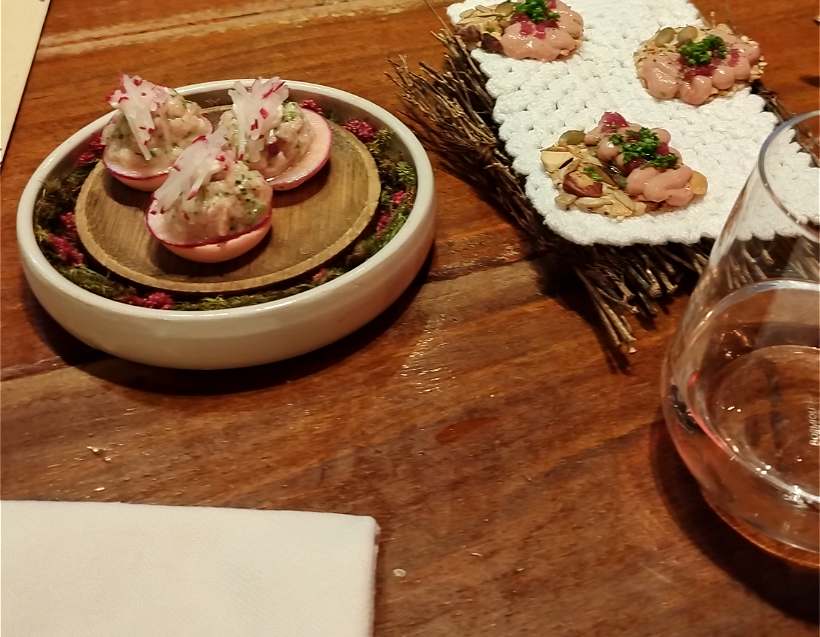
The first part of the menu takes its name from the farm. The dishes described include a meringue with raw pork, curd, radish and horseradish, and a taco with pupunha palm hearts, fresh herbs, pork intestines and peanuts. In the photographs, the bites sit on individual serving pieces, like small compositions that each deserve attention.
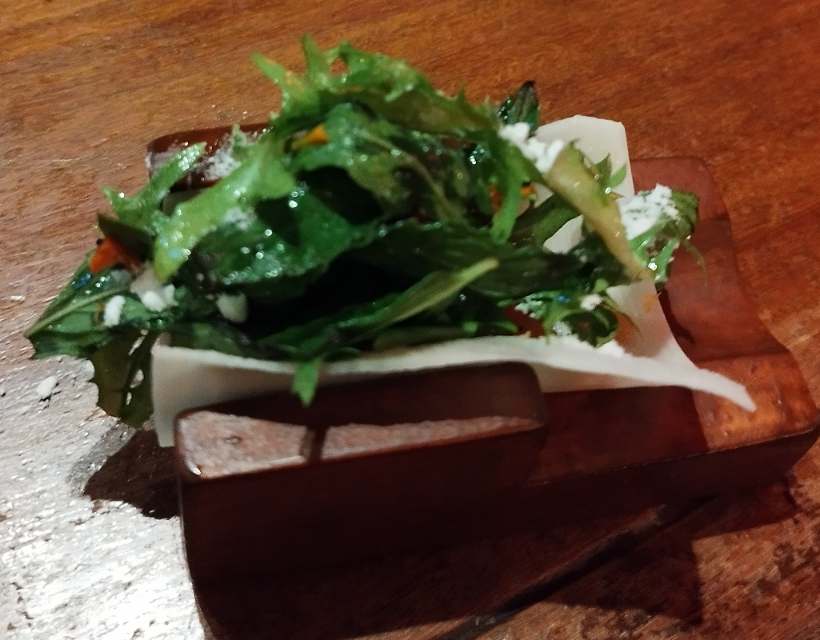
The taco appears covered in the green of herbs, supported on a small wooden base. It is a presentation that brings the garden closer to the rest of the proposal: leaves and vegetables participate in the construction of the meal.
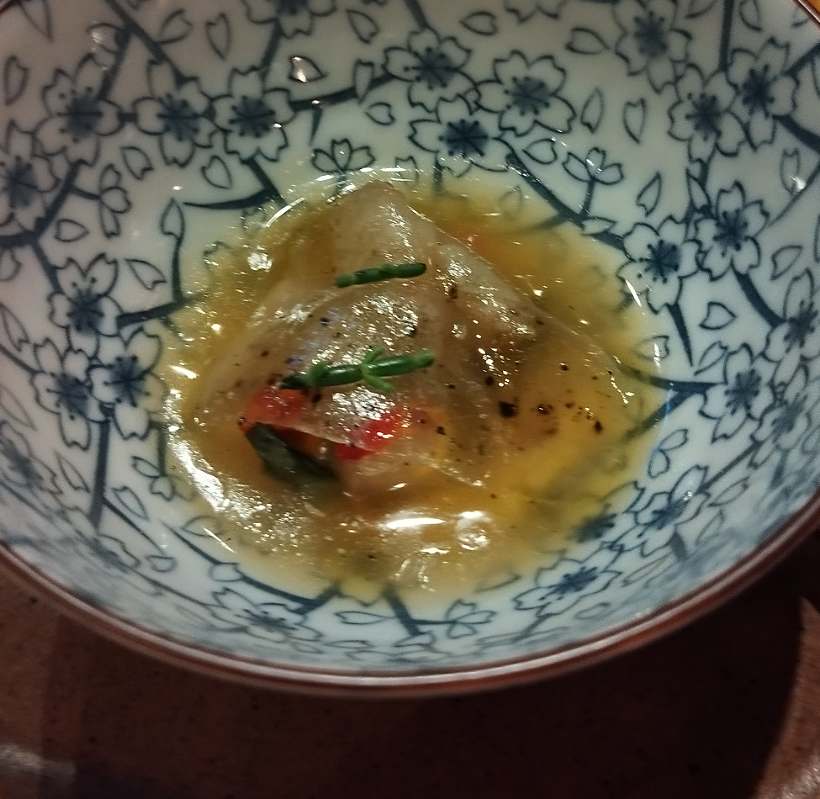
Another record shows a culinary creation served in a patterned bowl. It is related to the ceviche described on the menu, with aloe vera and pork lardo. The photography helps to preserve the presentation, while the menu explains how the kitchen brings the world of pork closer to a recipe that we usually associate with fish.
The pig is pop: pizza, hossomaki and gyoza
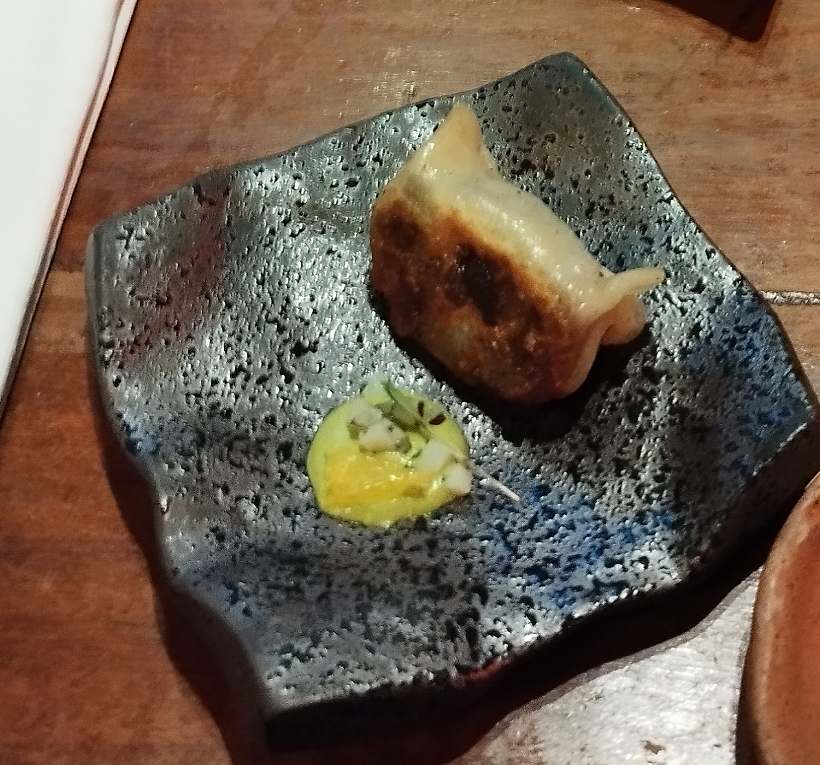
This stage assumes the joke already in the name. The pizza arrives in a small box, next to the hossomakis, while the gyoza occupies a dark dish. Changing supports is part of the experience: each preparation has its own way of arriving at the table.
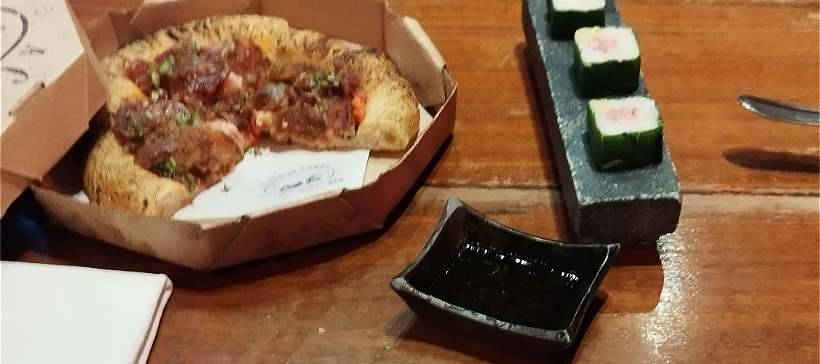
These are known references, brought together in a sequence that remains linked to the pig. The contrast between the presentation of a pizza and the precision of the small rolls helps to explain the creativity of the restaurant without requiring a solemn meal.
Corn hominy and the Unctuosity stage
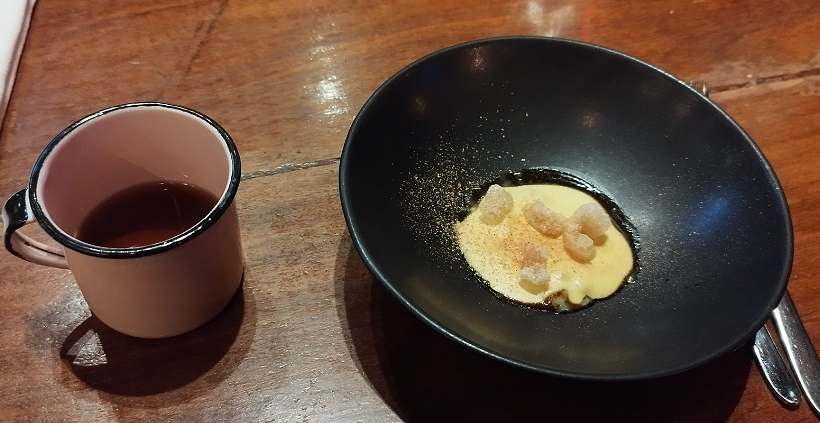
Corn hominy returns more directly to the country's repertoire. The menu describes white corn, sweet corn, pork, corn on the cob and fresh fruit. In the photograph, the small portion occupies a black bowl and arrives accompanied by a serving container. It's another scale, after the previous bits.
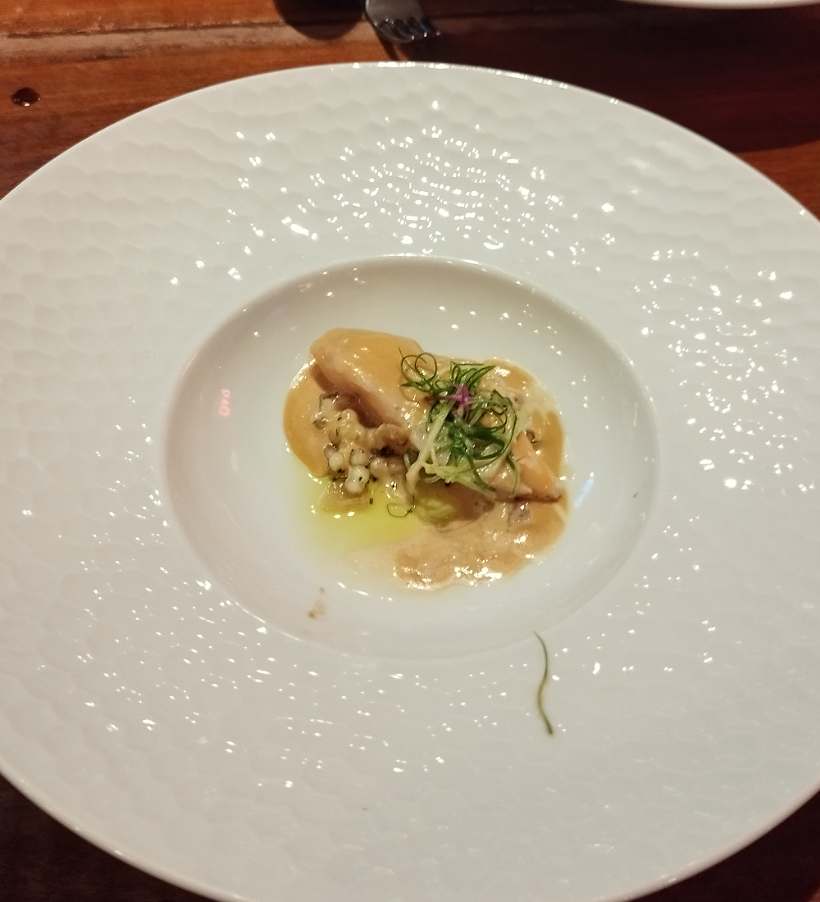
At Untuosos, the menu features fresh fish of the day confited in lard, accompanied by black olives and pork elements. The presence of fish is a good demonstration of how the central idea extends to the technique and fat used. The species is not identified in our registry.
Damn irresistible
The striped box warns that the pig is the star. Inside, the meal takes the form of a small snack: pig's head burger, cheese, bread, cassava fries and pork milkshake with smoked milk and dulce de leche, according to the visit's menu.
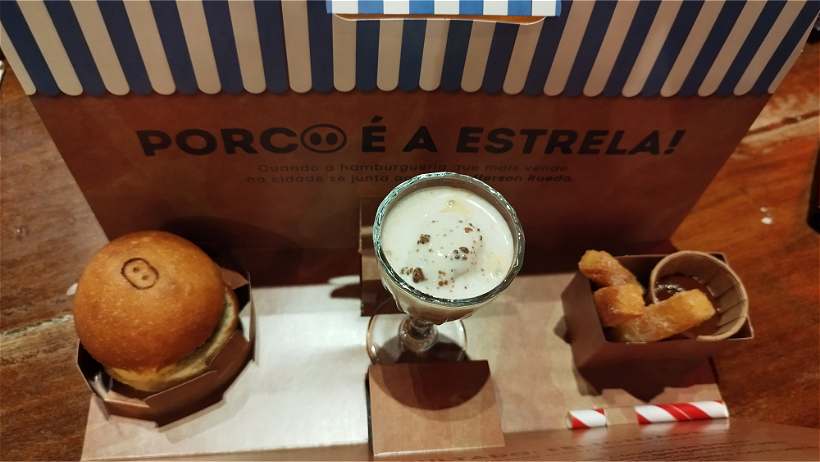
It is one of the images that best summarizes the personality of the restaurant. There is elaboration in the proposal, but also space to laugh at the surprise and recognize the format of a snack that is part of so many people's lives.
Porco San Zé: the countryside reaches the center
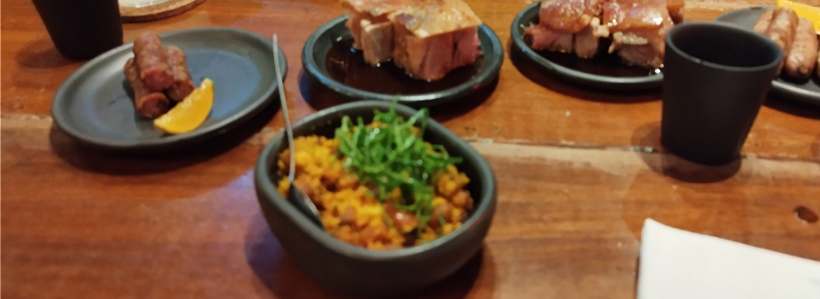
After language changes, the Porco San Zé puts the roast at the center of the table. The menu presents it with meat roasted for six to eight hours, free-range pork sausage and what came from Sítio Rueda's garden. The Michelin Guide also highlights it among the restaurant's classics. [1]
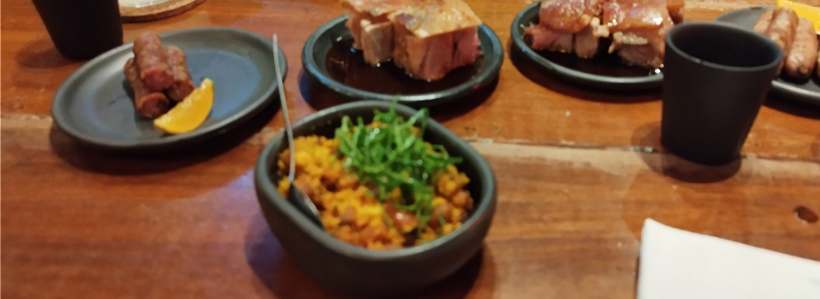
In the photographs, the pieces of meat appear with golden skin, next to the sausage and a bowl of leaves. This arrival has something of a shared lunch. After so many small presentations, the table takes on the generosity of a country meal.
The sweet ending also talks about Brazil
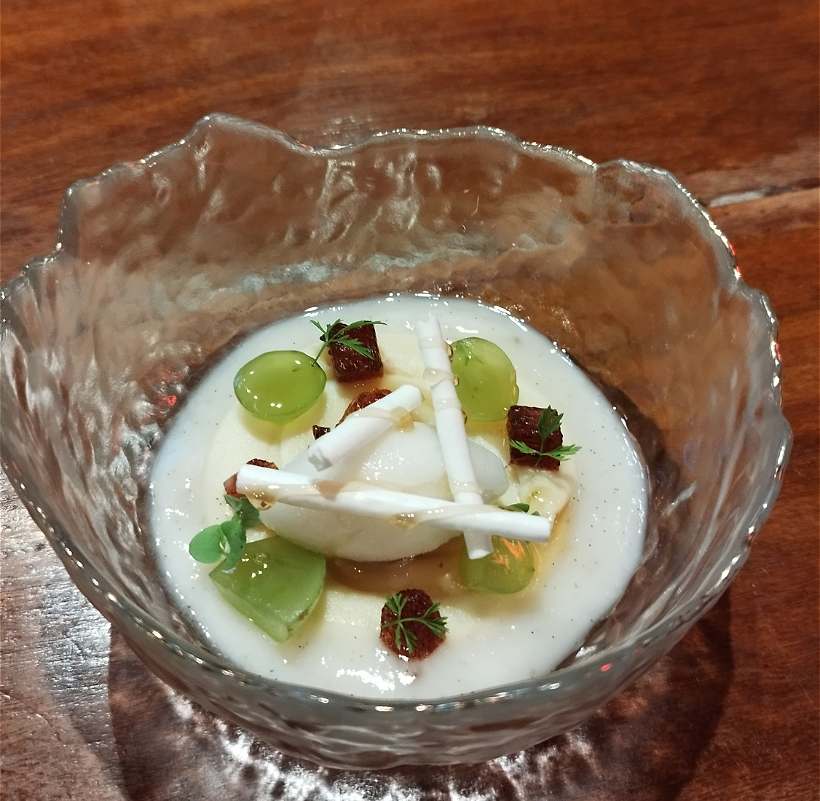
The menu's dessert combines soursop, vanilla, cupuaçu and sapodilla, as well as mandaçaia honey, pollen and meringue. In our opinion, the glass dishes show the clear base and delicate assembly. Brazilian ingredients continue to drive the sequence until the end.
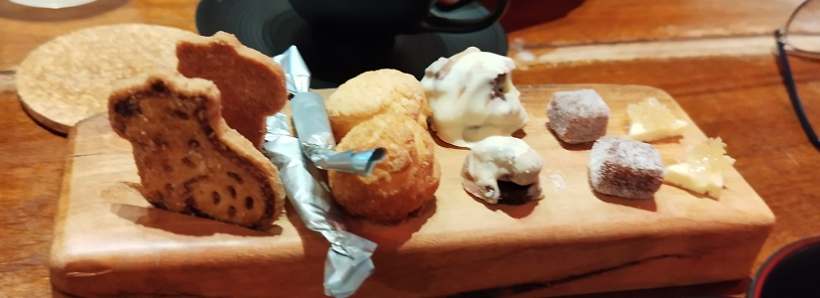
Sweets and coffee prolong this bond with memory. The menu includes cinnamon biscuits, hunks of cheese, bananas from the farm, carolina made from green corn and sweet milk from grandma Carminha, the chef's mother. On the board, the piglet-shaped cookie maintains the humor throughout the meal.
Brazil also in the cup
The good drinks menu deserves to be part of the visit. The presence of Brazilian ingredients accompanies the identity of the kitchen, with space for cachaça, fruits and homemade culinary creations. In the menus published by the restaurant, combinations with cashew, jabuticaba, yerba mate, honey and citrus fruits appear; Recipes change depending on the season. [4] [5]
It's an interesting way to expand the experience beyond the dish. The bar participates in this conversation between the countryside and the city, with drinks that make sense in the relaxed atmosphere of the restaurant. It’s worth reserving the same curiosity dedicated to food for them.
A Casa do Porco in the 50 Best
In the 2025 world edition of The World’s 50 Best Restaurants, A Casa do Porco was ranked 83rd, in the expanded list from 51 to 100. In the 2024 edition, it had ranked 27th. These are results from different years, which help to situate its international projection without confusing the historical classification with a current position. [6] [7]
In my opinion, the relevance of the restaurant also lies in what happens when we sit down: a cuisine that gives another dimension to pork, preserves Brazilian references and manages to be inventive in a welcoming environment. For those who like pork, this is a table that deserves to be included in the itinerary.
The menu for our visit
The photographed menu is below, in reading orientation, followed by a summarized version of the eight steps. It is the record of our experience; the sequence offered by the restaurant may change.
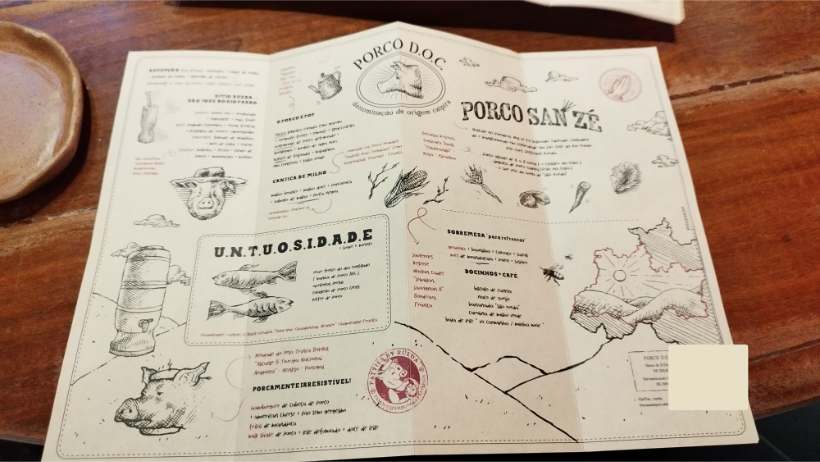
Enlarge the menu to read it
- Sítio Rueda
Opening bites, including suspiro, taco and ceviche. - The pig is pop
Pizza, hosomaki and gyoza. - Corn canjica
White corn, sweet corn and porcopoca. - Unctuousness
Fish of the day confit in pork lard. - Damn irresistible
Pork-head burger, cassava fries and a milkshake. - Porco San Zé
Roast pork, sausage and produce from the garden. - Dessert
Soursop, vanilla, cupuaçu, sapota, honey, pollen and suspiro. - Sweets and coffee
Small sweets and references to the family and the farm.
A visit worth organizing
My entry without a reservation, with less than ten minutes in line, was a happy exception. I recommend trying to book and, if the option is to arrive without a reservation, have flexibility and time available. The speed of that night deserves to be remembered as luck, without becoming a promise for those who come after.
A Casa do Porco is one of those addresses capable of motivating a gastronomic trip to São Paulo. The experience brings together origin, creativity and a very unique way of receiving. The value is in getting to know this cuisine in the place where it makes sense, with time to enjoy the sequence.
At Gastrotrip by The Prime Traveler, we organize personalized gastronomic itineraries based on your interests, connecting restaurants, hotels and experiences to the rhythm of the trip, according to the availability of each house.
Take your next trips through taste. Discover Gastrotrip from The Prime Traveler and order your personalized gastronomic itinerary.