Maido: at the table of the world’s number 1, where nothing is what it seems
By Thiago Freitas · The Prime Traveler
World’s 50 Best Restaurants: No. 1 in 2025. As the winner, Maido is now part of the Best of the Best, the award’s hall of fame.
The full tasting menu, tuna of extraordinary quality and a ceviche that fooled the eye: memories of our visit in September 2026.
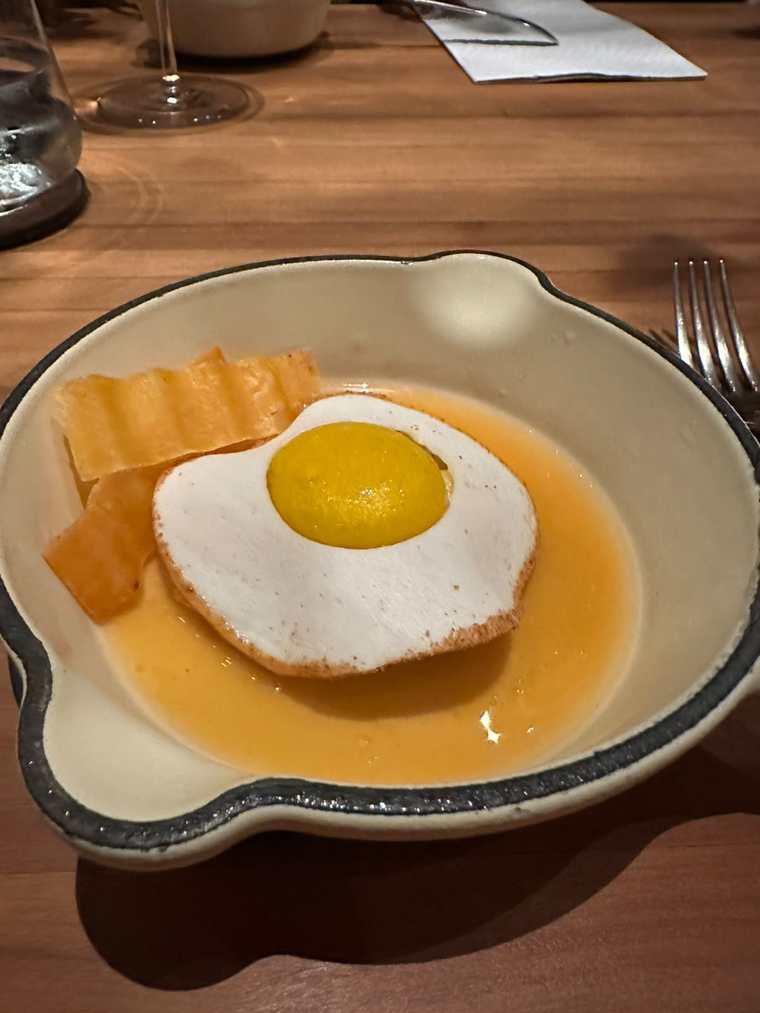
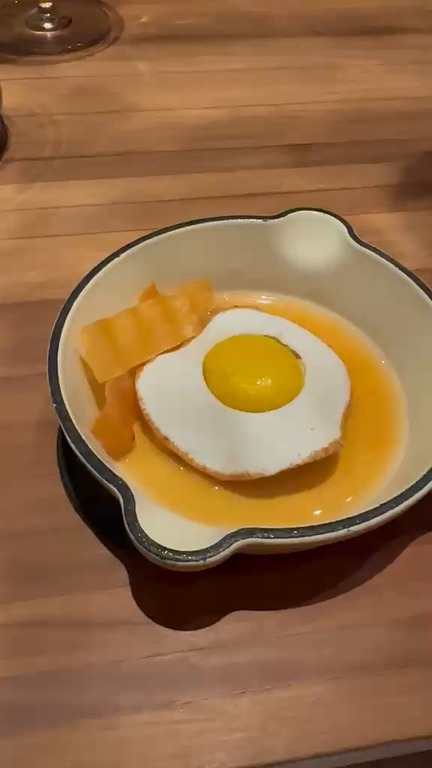
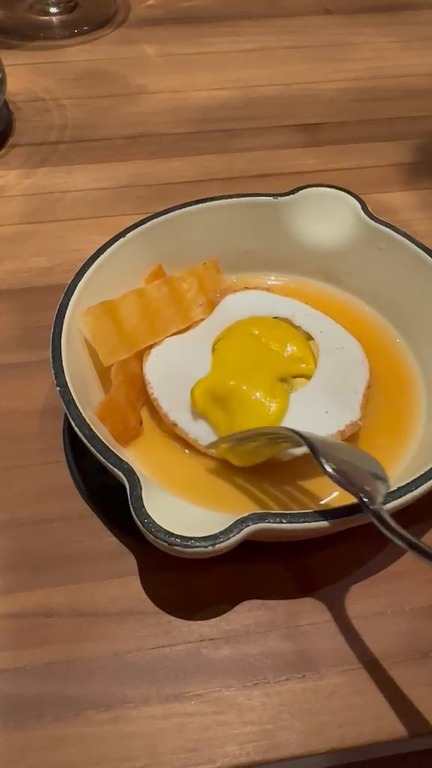
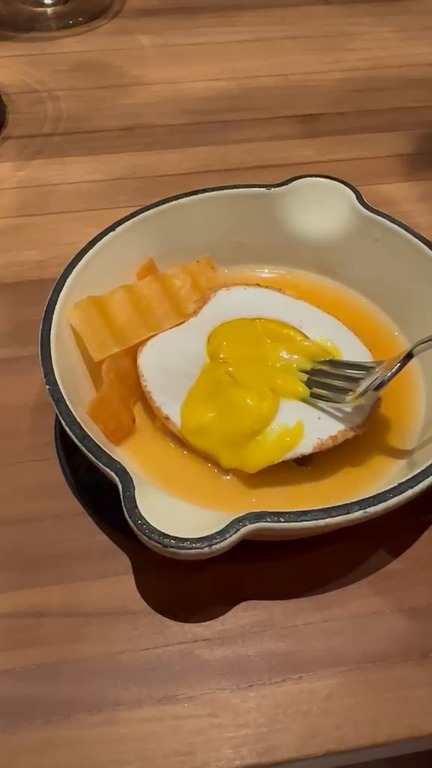
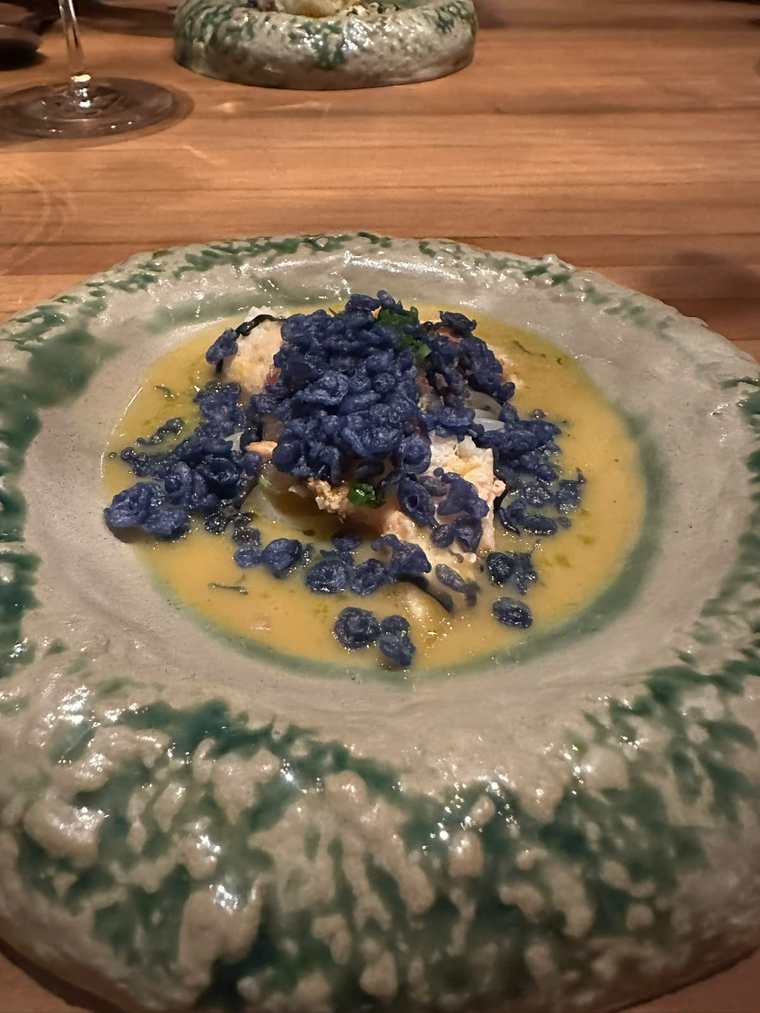
The presentation looked familiar: a white shape, a yellow center and a side dish next to it. It was easy to believe there was a fried egg on the plate. Except the dish was a ceviche.
That was one of the moments that stayed with me most at Maido, in Lima. In September 2026, we had the full tasting menu at the restaurant of Mitsuharu “Micha” Tsumura. Among so many courses, some presentations remained especially vivid in memory. The service, as caring as it was human, helped make that meal special.
At the table of the best restaurant in the world
On the day of our visit, Maido was number 1 on The World’s 50 Best Restaurants 2025, the most recent world edition that September. Having won, Maido now belongs to the Best of the Best, the hall of fame of The World’s 50 Best Restaurants for former number ones that no longer compete for the list. The title came with high expectations. At the table, what drew us in most was the freedom with which Micha brings Japanese cuisine closer to the ingredients and references of Peru. [1] [3] [4]
Nikkei cuisine unfolds here in a long sequence, designed to be enjoyed slowly. We chose the full tasting menu: small starters, fish and seafood, meat, desserts and the final sweets. It was in the passage from one dish to the next that the restaurant’s personality became clearest.
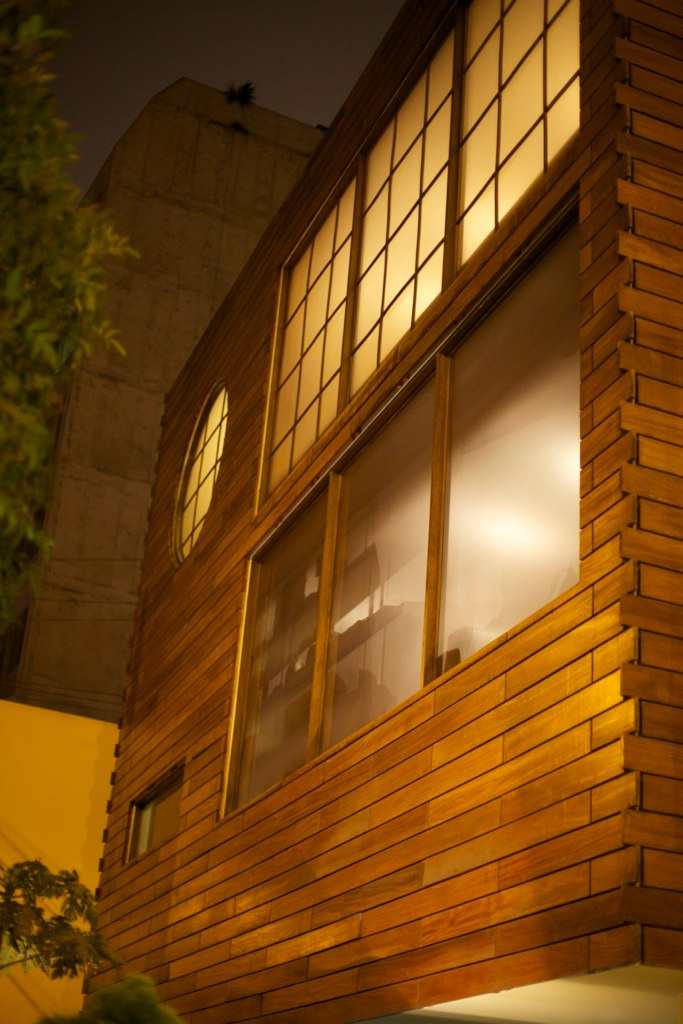
Maido: the ropes on the ceiling and the surprise on the plate
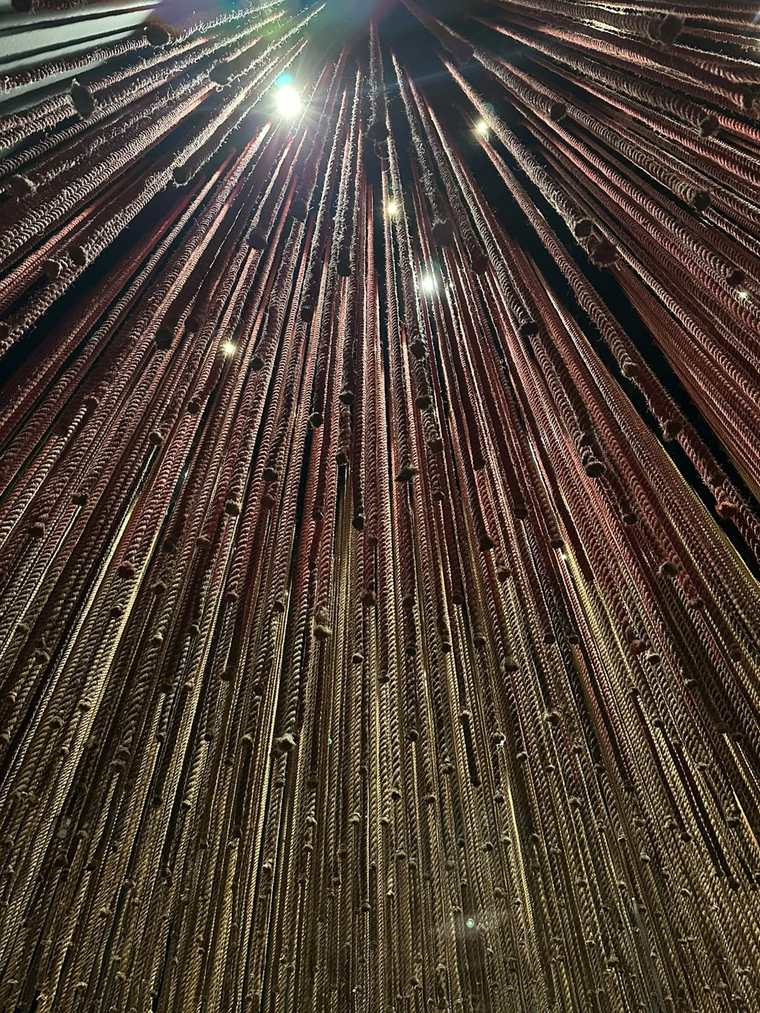
The atmosphere at Maido is quite different. The ropes hanging from the ceiling draw the eye upward and give the space a strong identity. The room is not large, and there are many tables. Even so, what we felt at the table was comfort.
The team managed to be attentive without making us feel that someone was hovering over us the whole time. The service was spectacular, deeply human. There was room to talk, to show curiosity and to follow each stage of the meal at ease.
That made a difference in such a creative menu. Maido surprised with its presentations, but the food was also very tasty. The invention carried through to what we ate.
The pejerrey and the mark of a real fish
One of the preparations that caught my attention most carried the imprint of a small fish on the crisp wafer itself. It looked like a fossil embedded in the food. It was a detail that made you want to look closely before eating.
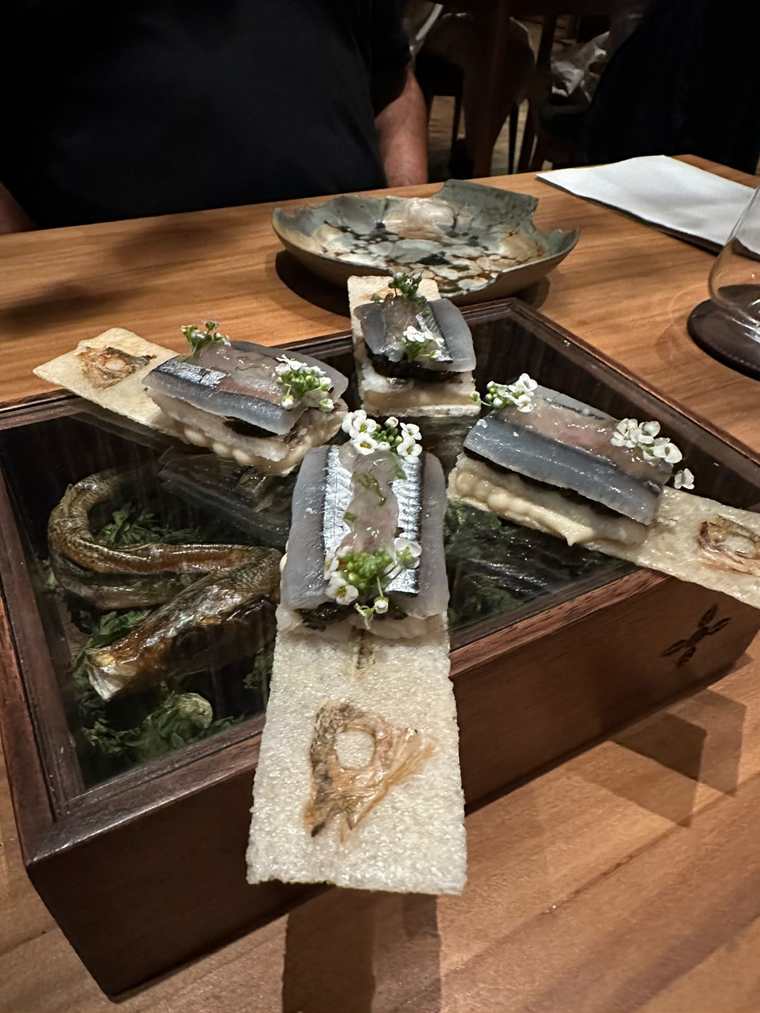
The menu for that experience presented it as Peje-Rey: pejerrey in three textures — cured, confit and crisp — with nori tsukudani and ponzu emulsion. The different treatments of the same fish explained part of how the dish was built.
In the photo, the silver slices and the small flowers form the most delicate part of the presentation. The fish imprint extends that idea down to the base that holds it. It is a preparation you recognize from the image, and it left me with a very particular memory of the visit.
Small starters, Amazonian references
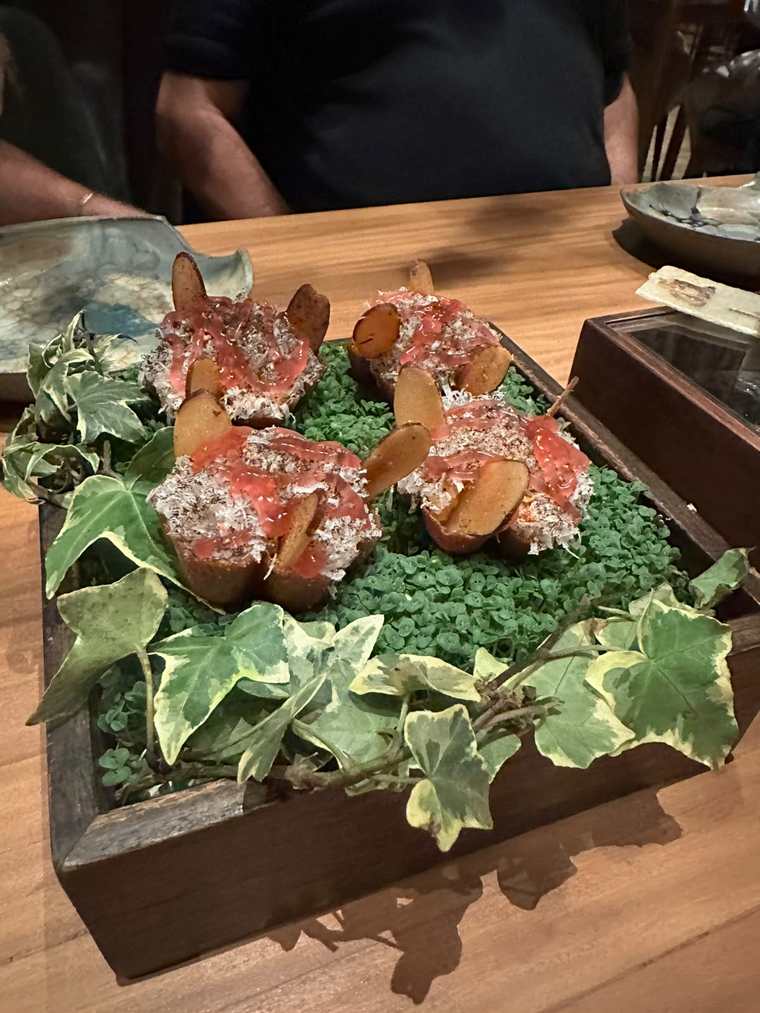
The Tartaleta Amazónica brought together Bahuaja nut, regional chorizo and yacón. It was a small portion, with a detailed assembly, served in a box with leaves and green bases.
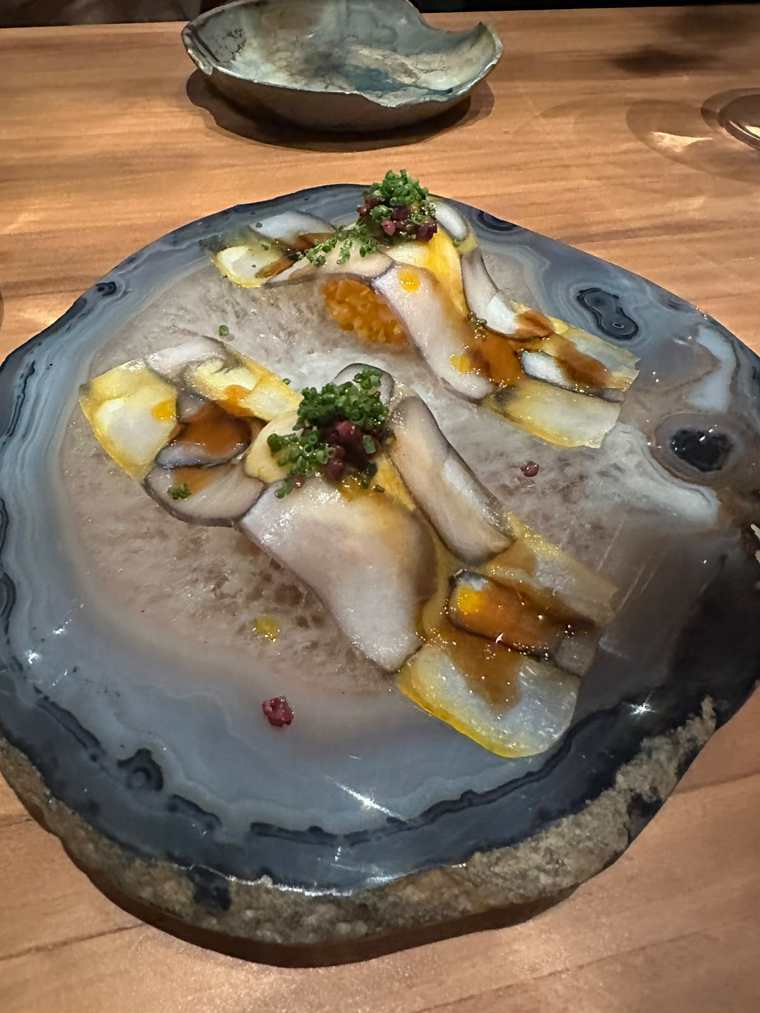
Another course was called Concha de Pala and featured a liquid corn croquette, chimi nikkei and tare. The name on the menu was short; the presentation showed the layering and finishing that ran through the sequence.
The ceviche that looked like something else
The ceviche is among the dishes I remember most precisely because of the distance between how it looked and what it was. The design recalled a fried egg, but the menu listed pistachio cream, bivalves, squid, ají amarillo, leche de tigre, paiche bacon and shoyu.
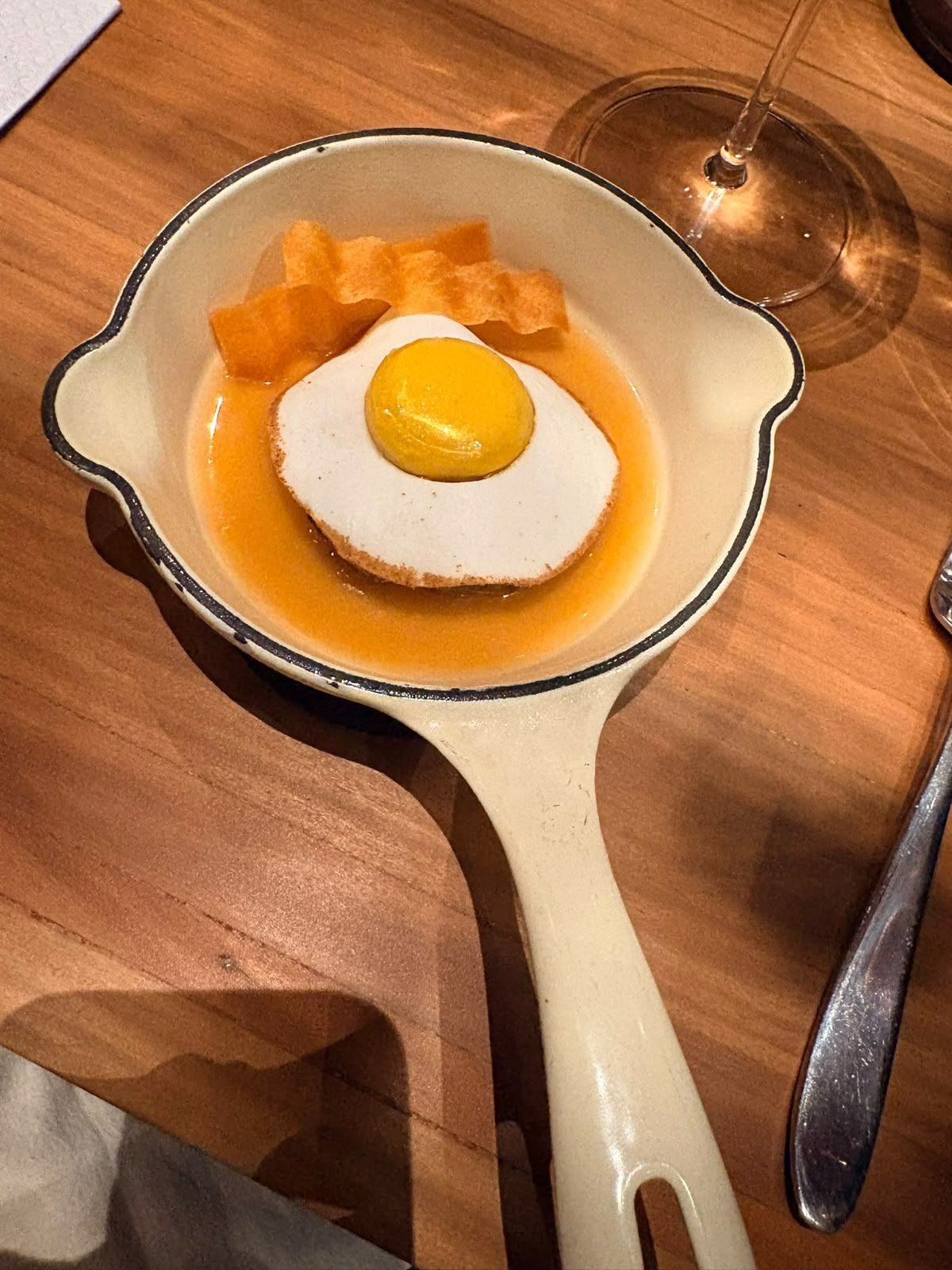
It is a very particular way of presenting a preparation so closely associated with Peru. The visual surprise is part of the experience, but it is the combination of ingredients that carries the game to the table.
The tuna that deserves full attention
The quality of the tuna was another highlight. It is one of the first things I mention when I talk about this meal, and the video captures well the care devoted to the ingredient.
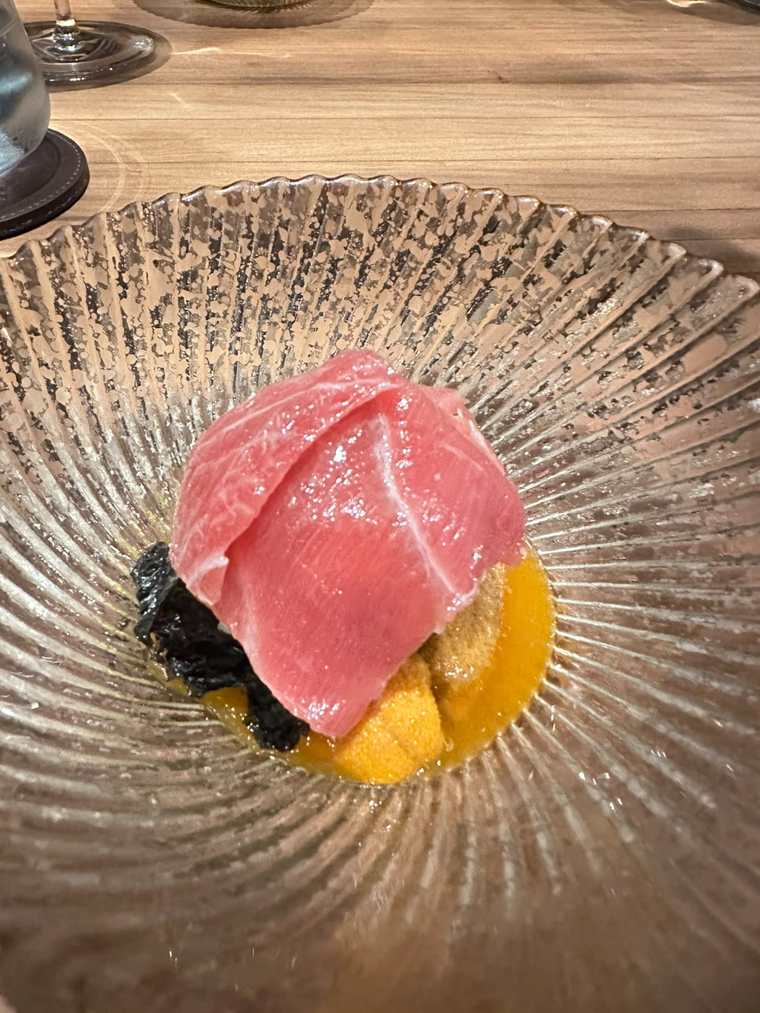
In the recording, the team presents the toro and explains the Mediterranean origin of the bluefin tuna served on that occasion. The conversation also covers what accompanies it in the bowl. It is a moment when the service brings the guest closer to the kitchen and helps you appreciate the care taken with the product.
On the menu, this course appears as Sushi: toro, the fatty part of the tuna, and uni, sea urchin, with egg yolk sauce and sushi meshi. In the presentation, the pink slices of tuna cover part of the accompaniments. It was one of the dishes that stayed with us most.
From the temaki to the grilled fish
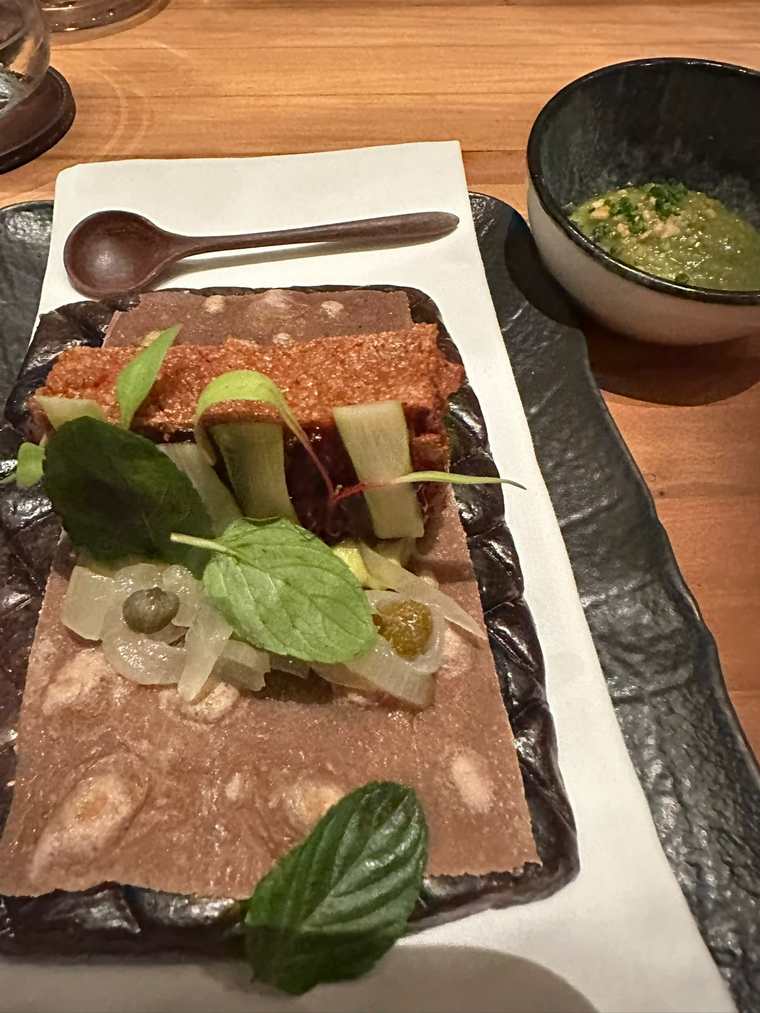
The Temaki de Cochinillo came with suckling pig, mashua paper, pickled onions, asparagus and green rocoto. The photograph shows the thin sheet, the vegetables and the golden part of the filling, with a bowl served alongside.
The menu also included Cangrejo Moro, with rice paste, chicha de jora, clams and tenkasu. The sequence let us follow how the kitchen moved through different references without losing its Nikkei identity.
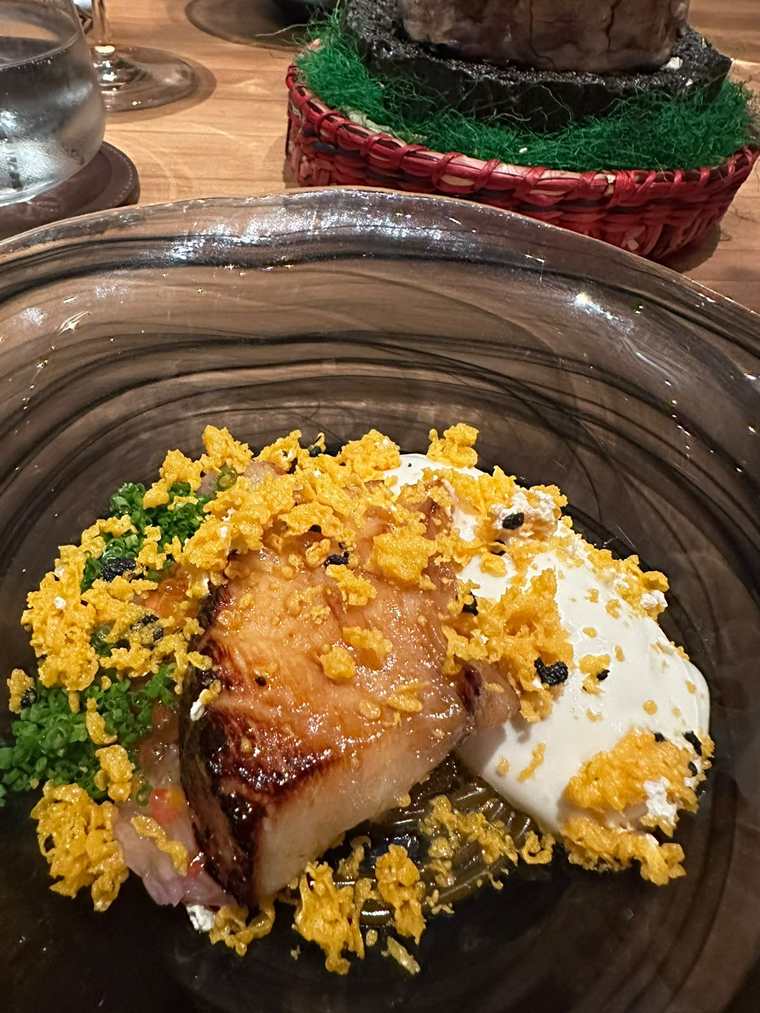
In Costa Sur, the grilled cod came with sea collagen, roe and a tuber crisp. The golden fish stood out among the green elements, the creamy part and the small yellow fragments scattered over the plate.
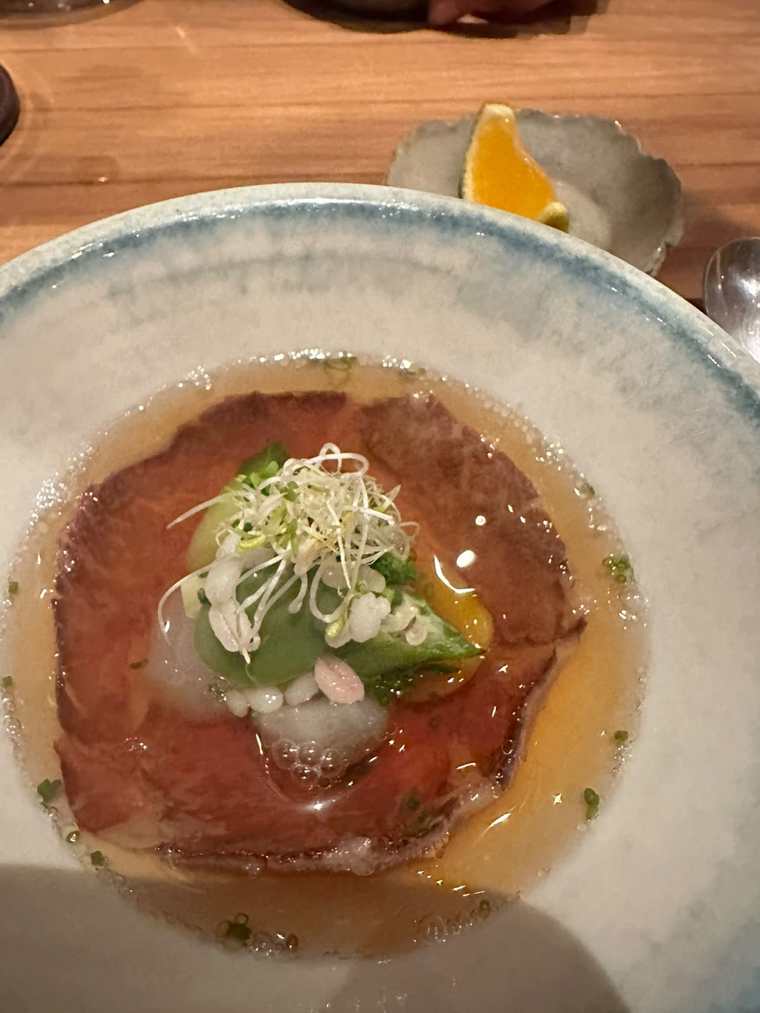
Sanco-Shabu brought together wagyu, tubers, baby vegetables and sancochado dashi. The Japanese reference met Peruvian cuisine again in a preparation of meat and broth, after the fish and seafood.
A sweet finale that kept on surprising
The creativity continued in the desserts. Chirimoya combined the fruit with tumbo gel, almonds and wasabi. In C & C, the menu brought together 70% cacao, toasted cauliflower ice cream, roasted carrots and seed milk.
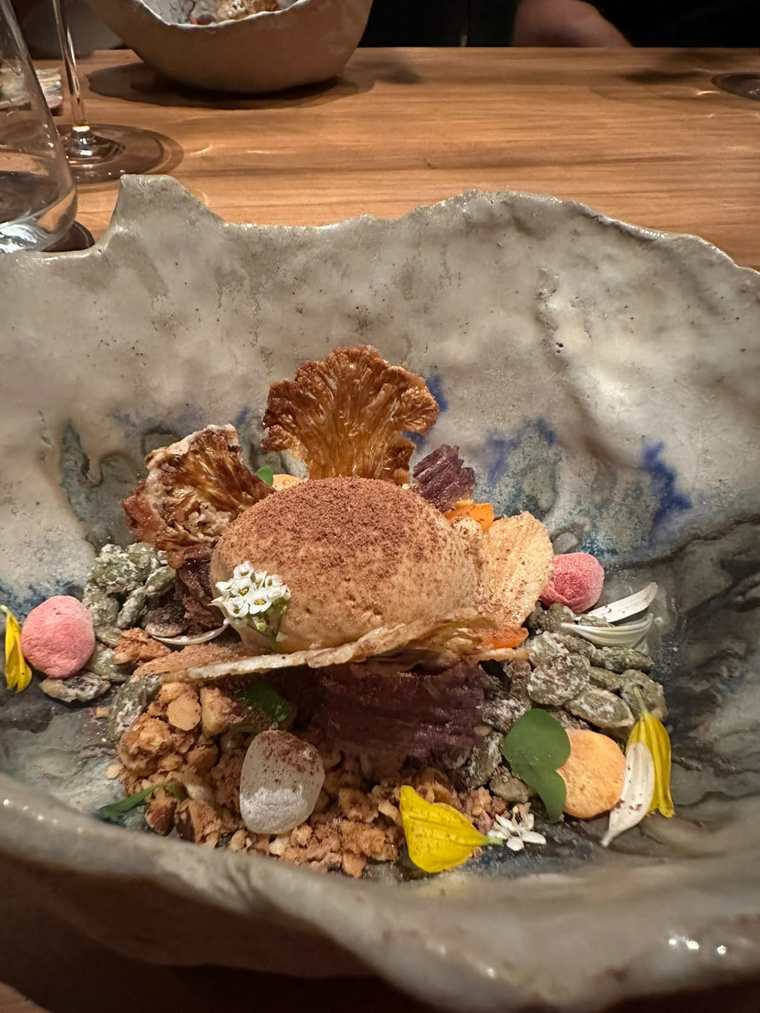
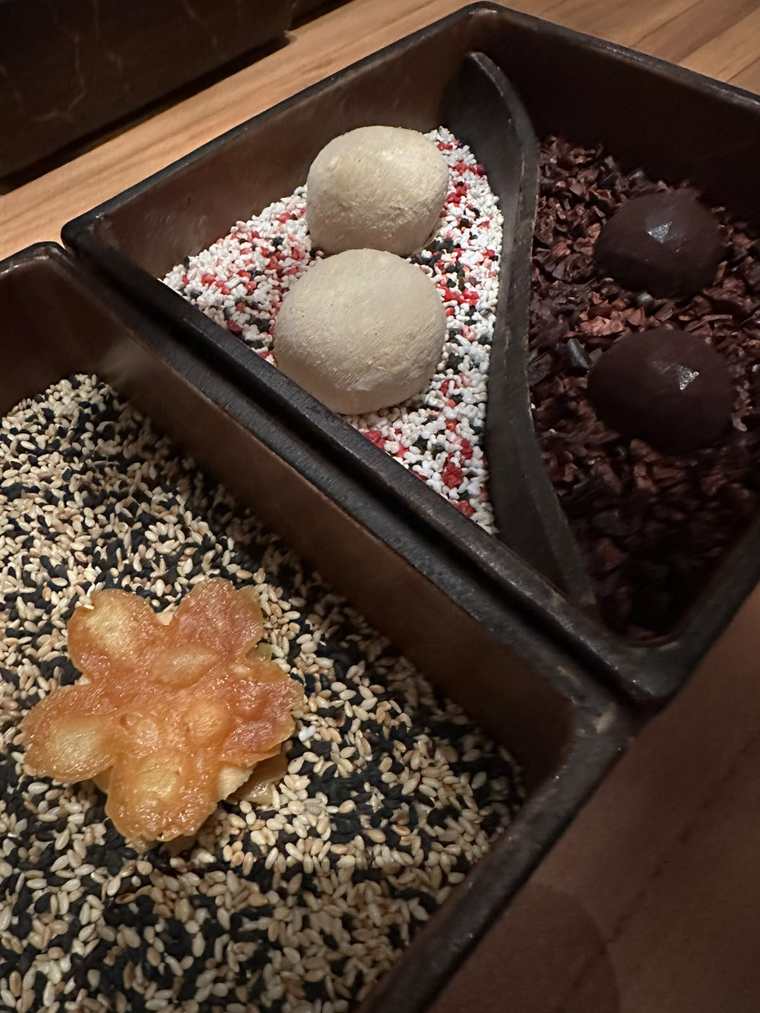
The assembly resembled a small landscape, with crunchy pieces, flowers and irregular shapes around the central portion. To close, the Okashi included native potato alfajor with manjar, cacao with macambo miso and lúcuma mochi.
What remained of that table
When I think of Maido, I remember the ceviche that looked like a fried egg, the extreme quality of the tuna and that little fish that seemed to have left a fossil in the crisp. But I also remember how at ease we felt. Even with so many tables and so many details to coordinate, the team never made its presence excessive.
There is a particular luxury in living a meal like this slowly: observing the presentation, listening to those who serve, talking and letting each course unfold. For those who make gastronomy a reason to travel, a table like this deserves a place on the itinerary.
In The Prime Traveler’s Gastrotrip, planning starts from your preferences to connect restaurants, destinations, hotels and the pace of the trip. Reservations depend on each restaurant’s availability; the curation begins with choosing the experiences that make sense for you.
Your next trip can begin at a great table. Discover The Prime Traveler’s Gastrotrip and order your personalized gastronomic itinerary.